
What Molded Pulp Packaging Is and Its Core Material Advantages
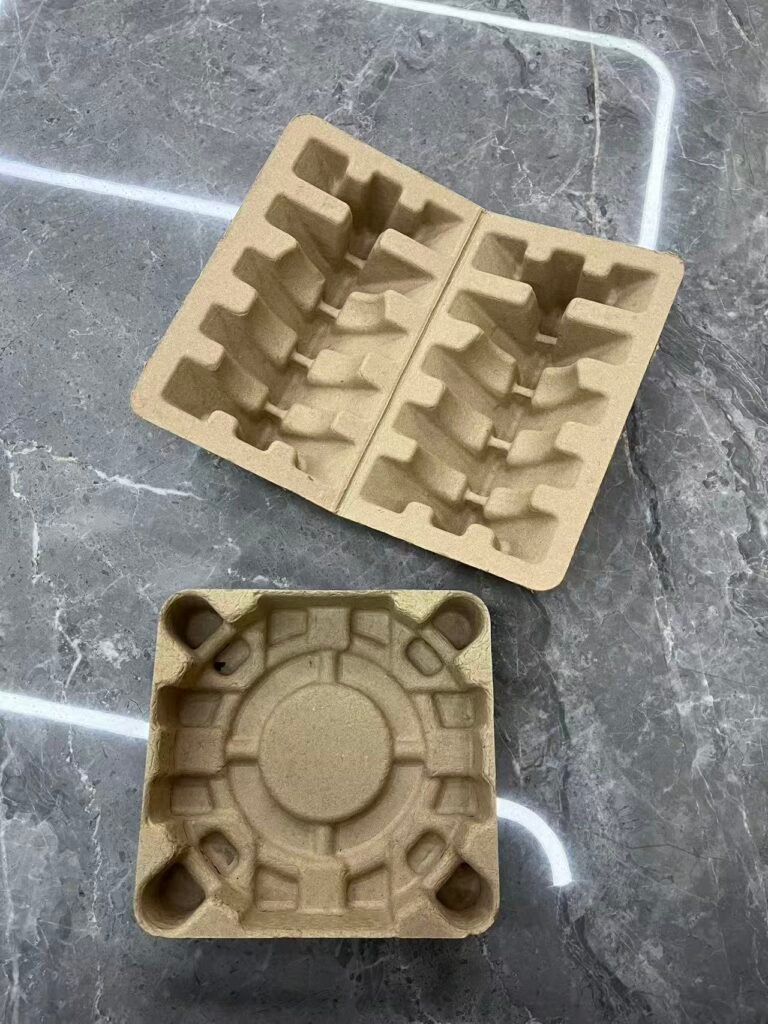
Molded pulp, also called molded fiber, forms protective packaging from renewable natural plant fibers. Raw materials include sugarcane pulp, bamboo pulp and wood pulp for diverse product protection tasks. Manufacturers use wet-press or dry-press molding to shape trays into custom three-dimensional forms. Engineers adjust thickness, density and surface treatment to match unique packaging protection needs. These fiber trays serve as inner packaging for food, medical, cosmetic, electronics and gift products. No harmful chemical additives join the pulp mix during the whole production process at Tonghe Paper. The finished pulp trays fully biodegrade within 28 days under suitable natural composting conditions. Products meet SGS RoHS and PFAS-free standards to support cross-border export compliance checks.
New EU Packaging Regulations Drive Global Shift from EPS and Vacuum Plastic
Packaging buyers seek protective solutions that cut waste and meet tightening global regulatory rules. EPS foam stays lightweight yet hard to recycle and leaves persistent microplastic residues behind. Vacuum-formed plastic fits parts precisely but relies heavily on fossil-based petrochemical resins. Corrugated cardboard inserts recycle easily but lack shock absorption for complex shaped goods. EU Regulation 2025/40 requires all EU-market packaging to become recyclable by January 1, 2030. Brands now adopt recyclable fiber trays to avoid plastic taxes and lower carbon supply chain footprints. Many procurement teams compare molded pulp inserts against old plastic packaging for new product lines.
Global Market Growth and High-Demand Sectors for Molded Pulp Packaging
Grand View Research reports the global molded pulp market hit USD 6.2 billion in the year 2025. Analysts project the market will reach USD 10.2 billion by the end of 2033 across all regions. Trays represent more than 41 percent of total global molded pulp revenue in the 2025 market report. Asia Pacific accounts for the largest regional market share at 41.0 percent of worldwide sales. Medical device pulp trays show strong growth with an 8.6 percent compound annual growth rate. Medical pulp trays support EO sterilization and fit hospital projects to cut plastic waste volume. Electronics, cosmetic and food brands also expand orders for custom molded pulp protective trays.
Tonghe Paper’s Dongguan Factory Delivers Custom Molded Pulp for Global Export
Tonghe Paper Co., LTD operates a pulp molding manufacturing base located in Dongguan, China. The factory site spans 23,000 square meters with around 160 staff and 12 dedicated R&D engineers. Monthly production capacity can reach up to 1,000 tons with annual output hitting 12,000 tons. Export markets cover EU, USA, Australia, Saudi Arabia, Malaysia and Brazil for pulp tray shipments. The firm controls mold design, forming, hot pressing and trimming operations inside its own plant. In-house tooling shortens sample iteration cycles for brands needing complex irregular cavity shapes. Buyers can request free test samples before confirming mass production orders for pulp packaging.
End-to-End Workflow for Custom Molded Pulp Tray Development Projects
Buyers first share product dimensions, weight, fragility and packaging goals for initial analysis. Engineers select pulp materials based on budget, food contact requirements and mechanical needs. The internal mold team designs and machines forming tools to match product surface contours. Pilot samples are produced for fit testing, drop tests and environmental performance verification. Once samples pass inspection, mass production uses pulping, forming, drying and hot press tools. Final quality checks run before shipment by sea freight, air cargo or international express carriers. Surface upgrades include coating, embossing, printing, waterproof and oil-proof treatment options.
Key Takeaways for Packaging Teams Evaluating Molded Pulp Trays
Molded pulp replaces plastic foam with compostable fiber packaging for multiple global industries. Procurement teams must audit factory capacity, mold capability and certification documents first. Tonghe Paper provides custom molded pulp trays with free samples and full export compliance support. Brands planning eco-friendly packaging upgrades may request a technical specification review now.