
Introduction
Molded pulp, also known as molded fiber, is a plant-based protective packaging material. It comes from sugarcane pulp, bamboo pulp, wood pulp and recycled paper fibers. These natural fibers mix with water and form shapes inside professional molding machines. Finished products include custom trays, box inserts and cushioning liners for many goods. The material is fully biodegradable and widely accepted by global export markets. Many brands replace EPS foam and vacuum-formed plastic with molded pulp trays now. Tonghe is an experienced molded pulp manufacturer based in Dongguan, China. It turns bagasse and recycled paper into a full lineup of eco-friendly pulp packaging. Its product portfolio covers electronics, medical, cosmetic and food-grade pulp trays. The factory runs stable production and supplies goods to Europe, America, Australia and more.
EU Packaging Regulations Push Packaging Transformation
The EU Packaging and Packaging Waste Regulation entered force in February 2025. It requires all packaging sold in the EU market to be recyclable by January 2030. Plastic taxes and plastic restriction policies keep tightening across many regions. Exporters face higher compliance risks if they stick to foam and plastic inner trays. Many procurement teams start redesigning packaging structures ahead of deadlines. Molded pulp fits the recyclable standard and avoids extra plastic tax costs. It helps brands build green supply chain records for European buyers. This regulatory trend is the biggest driver for molded pulp market growth.
Balanced Protection Performance for Fragile and Precision Goods
Many plant-based alternatives fail shock and vibration tests during long shipping. Thickened molded pulp forms a dense fiber network for reliable cushioning. It can deliver shock absorption, vibration damping and anti-corrosion features. Special formulas add moisture resistance and anti-static functions for electronics. Tonghe’s thick pulp trays cut transport damage rates for precision and fragile items. Buyers can test samples before large orders to verify real shipping performance. The material holds parts tightly and stops shifting inside shipping cartons. This advantage matters for medical probes, electronic connectors and cosmetic bottles.
Lighter Packaging Cuts Global Logistics and Storage Costs
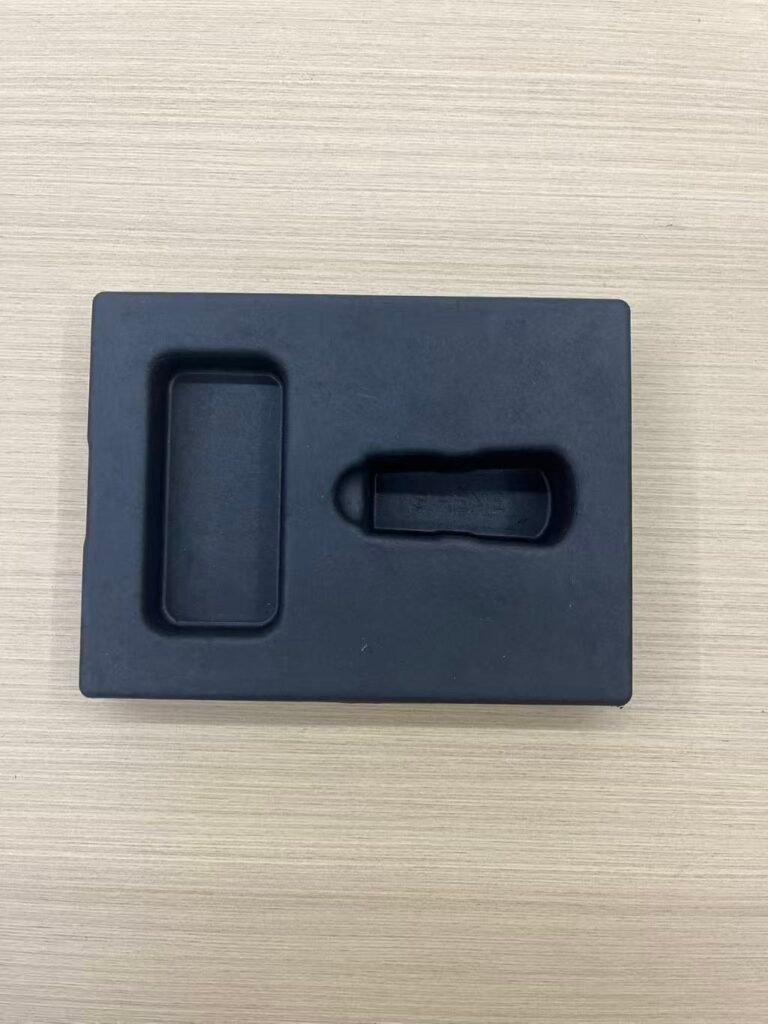
Traditional rigid gift boxes and foam inserts add much weight to shipments. Tonghe’s molded pulp trays are around 50 percent lighter than heavy rigid boxes. Lightweight design does not weaken stacking stability or structural strength. Lighter packaging reduces occupied space inside sea containers and warehouses. Less space means lower storage fees and reduced long-distance freight spending. Stackable pulp tray designs further optimize space for bulk inventory storage. This cost benefit attracts brands with high-volume cross-border shipments. Logistics savings often offset custom mold development costs for many buyers.
Custom Molded Pulp Solves Complex Product Shape Challenges
Standard foam sheets and plastic vacuum trays only fit simple regular shapes. Molded pulp supports one-piece structures for irregular and complex product outlines. Engineers design cavity profiles to match every contour of a specific product. This custom feature suits high-end cosmetics, surgical tools and 3C devices. Tonghe operates an in-house mold workshop for fast custom tooling development. The team shortens lead time for new packaging projects for global buyers. Surface options include calendaring, water-oil coating, embossing and logo printing. Color and thickness can also adjust to match brand visual requirements.
Global Molded Pulp Market Outlook
The global molded pulp packaging market reached 6.2 billion USD in 2025. Analysts project the market will hit 10.2 billion USD by 2033. Tray products take over 41 percent of total molded pulp market revenue. Asia Pacific holds the largest market share, with China as the key production base. Medical-grade molded pulp shows faster growth than the general market. Demand rises from ISO sterilization standards and hospital plastic reduction rules. Molded pulp trays are no longer a niche sustainable packaging option. Continuous regulatory pressure will keep lifting market demand year by year.
Key Technical Specifications for Buyer Evaluation
Buyers need to check core parameters before approving molded pulp tray suppliers. Dry density ranges from 0.28 to 0.45 g/cm³ for good rigidity and durability. Thickness supports custom settings from 0.8 mm up to 5.0 mm. Moisture content must stay within 8 to 12 percent for safe ocean shipping. High moisture will cause softening, deformation and mold growth during transit. Edge crush strength and compressive strength decide stacking safety in containers. Food-grade pulp trays can work steadily between -20°C and 120°C. Standard pulp trays tolerate operating temperatures from -20°C to 80°C. All these indexes help buyers compare samples and lock stable quality standards.
Main Industry Application Scenarios
3C electronics and home appliances need anti-static molded pulp trays. Anti-static fiber formulas prevent electrostatic damage to circuit components. Food-grade pulp trays safely contact fresh food, ready meals and fruit products. They can go into compost treatment after use and turn into natural matter. Medical pulp trays support EO sterilization and use virgin wood pulp materials. Clean workshop production ensures low dust and no shedding for medical parts. Cosmetic pulp inserts protect glass jars and compacts from surface scratches. Brands can add embossed logos to lift unboxing experience and brand image.
Molded Pulp vs EPS Foam and Vacuum-Formed Plastic
EPS foam and vacuum plastic come from petroleum raw materials. They are generally non-biodegradable and face strict global plastic bans. EPS foam offers basic cushioning but lacks stable moisture resistance. Vacuum plastic trays have limited shock absorption for high-value fragile goods. Molded pulp biodegrades fully in around 28 days under proper compost conditions. It supports complex irregular shapes and rich surface branding treatments. Molded pulp meets SGS RoHS and PFAS-free requirements from Tonghe’s tests. It balances compliance, protection, customization and logistics advantages. Molded pulp is not universal. Extra coating is needed for sharp or heavy parts. Buyers should define protection and compliance needs before final selection.
Conclusion
Molded pulp trays stand out as a mature sustainable packaging solution today. Policy pressure, shipping safety and logistics savings drive wide adoption. Buyers should audit raw material quality, moisture control and supplier capacity. In-house mold capacity and export experience reduce procurement risks greatly. Tonghe supplies custom molded pulp trays across multiple industrial sectors. Buyers can request samples to run internal packaging and shipping tests. The shift from foam and plastic to molded fiber will keep accelerating.